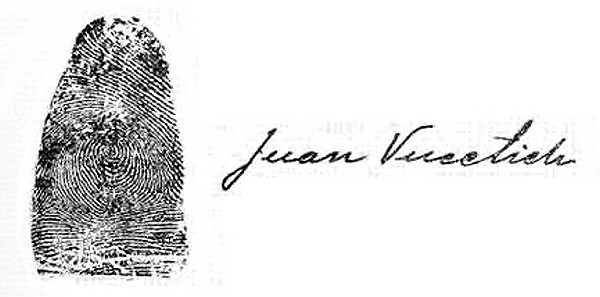
http://onin.com/fp/fmiru/thumbprint_and_signature_juan_vucetich.jpg
http://www.forensicsrus.com/images/SupergluePrint.jpg
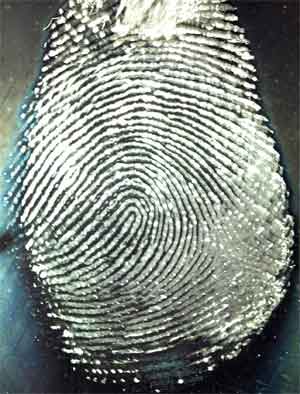
http://www.fingerprint.ws/images/Image0016.jpg
http://shs.westport.k12.ct.us/forensics/04-fingerprints/plastic_print_2.jpg
http://www.faurotforensics.com/images/L-4000.jpg
http://www.sciencephoto.com/image/92128/530wm/C0027887-Iodine_Sublimation-SPL.jpg
http://www.brazoria-county.com/sheriff/id/fingerprints/index.htm
http://ridgesandfurrows.homestead.com/fingerprint_patterns.html
http://www.bxscience.edu/publications/forensics/articles/fingerprinting/f-fing03.htm
http://www.ehow.com/about_6102496_forensic-science_-hair-fiber-analysis.html
http://www.numei.com/fiberfacts.htm
http://www.exploreforensics.co.uk/hair-and-fibres.html
http://www.olympusmicro.com/primer/techniques/polarized/images/olympusmono.jpg
http://www.hairdrugtestingcompany.com/wp-content/uploads/2010/10/Hair-Drug-Testing.jpg
http://www.purdue.edu/rem/rs/graphics/sem2.gif
http://www.floorsusa.com/img/RugImages/carpets/Acrylic_Fiber_PMMA_Fiber.jpg
http://en.globaltexnet.com/html/images/upload/tradeleads/318/317844.jpg
http://www.world-trades.com/photo/747/7551/pure-linen-fabric-589.jpg
http://www.ccmr.cornell.edu/facilities/contestimages/Winners08Jan/images/EllenKeene_SEM.jpg
http://theyarntree.com/store/fibersspinning/fibers/images/mongolian-cashmere.jpg
http://ecx.images-amazon.com/images/I/51VG5cgZ55L._SL500_AA300_.jpg
http://www.graphology.ws/img/2179po2.gif
http://www.clt.uwa.edu.au/__data/page/112506/fsp10_handwriting.pdf
http://www.enotes.com/handwriting-analysis-reference/handwriting-analysis
http://www.emedicinehealth.com/poisoning/article_em.htm
Saturday, December 3, 2011




Part X: Crime Scene Investigation
This was the final stage in our study of forensics, seaming together all of the components of forensics we learned about into one investigation and analysis. In this, I worked in a group of seven at Scene 3, using ten pieces of evidence found at a crime scene in order to analyze and correctly solve the crime.
Scene 3 Background: This took place at a break-in of a residence.
Exhibit 1: The first piece of evidence was a black, size 8 shoe with a 3.25 inch heel (8.5 centimeters).
 Exhibit 2: The second piece was a note torn apart, saying "Someone please help me," which matched up with the writing of Tyrese Jefferson.
 Exhibit 2A: This was another torn apart note, this one matching up with Smokey Johnson's handwriting and saying, "You will never find her."


Exhibit 3A: Ulnar loop fingerprints were found that match up with Tyrese Jefferson and Sandra O'Connor.
Exhibit 3: This was a plain whorl print that matched with Smokey Johnson.
 Exhibit 4: A gold earring was found that's post was slightly bent.
 Exhibit 5: This was a small square of green nylon.
 Exhibit 6: After performing tests on it, this substance was discovered to be iodine.
 Exhibit 7: This was a footprint found in dirt that was 12 inches long, 4.5 inches wide, and seemed to be a skating shoe. The size also indicates it was likely a male's print.
 Exhibit 8: This was a patch of blood that was found to be type A+, which is the same as Tyrese Jefferson's, Courtney Smith's, and Jeb Sampson's.
 Exhibit 9: Exhibit nine was many strands of short hair, which, under the inspection of a microscope, were found to belong to Tyson, a dog.

 Exhibit 10: The final piece of evidence was that of a latent fingerprint that had to be lifted using graphite. Even though this was somewhat difficult to see, it was most likely an ulnar loop.

Analysis:
After studying and analyzing the found evidence my group and I came up with a solid theory on what happened at this crime scene:
As was stated in her profile, Tyrese Jefferson was a counselor; Smokey Johnson was one of her patients with mental problems. Unfortunately, he became obsessed with her to the point of stalking her; the footprint in the dirt was from him looking into her house from under a window, which also had his fingerprint on it. She finally gets a restraining order on Smokey, which enrages him. One night, Tyrese came home from a party; after taking off her earrings and a shoe, she sees a shady figure approaching her home. She tries the phone to call for help, but realizes the line has been cut and quickly scribbles a note saying, "Someone please help me." Smokey forcibly enters her home and assaults her, bludgeoning her on the head, which is where the splotch of blood came from, ripping off a piece of green nylon from her dress in the struggle, and knocking her earring off the table and bending its post. Smokey writes the note, gloating that, "You will never find her,", and since she is unconscious from being hit on the head, takes her from her home.
Additional Information:
1. Tyrese's fingerprint was left on her earring.
2. Smokey left Tyrese's iodine behind, which she needs for her thyroid glands to produce hormones for her metabolism, since, as said in her profile, she has thyroid problems.
3. The dog hair left behind in Tyrese's home was from when she watched Tyson for a neighbor earlier that day.
Scene 3 Background: This took place at a break-in of a residence.
Exhibit 1: The first piece of evidence was a black, size 8 shoe with a 3.25 inch heel (8.5 centimeters).


Exhibit 3A: Ulnar loop fingerprints were found that match up with Tyrese Jefferson and Sandra O'Connor.
Exhibit 3: This was a plain whorl print that matched with Smokey Johnson.


Analysis:
After studying and analyzing the found evidence my group and I came up with a solid theory on what happened at this crime scene:
As was stated in her profile, Tyrese Jefferson was a counselor; Smokey Johnson was one of her patients with mental problems. Unfortunately, he became obsessed with her to the point of stalking her; the footprint in the dirt was from him looking into her house from under a window, which also had his fingerprint on it. She finally gets a restraining order on Smokey, which enrages him. One night, Tyrese came home from a party; after taking off her earrings and a shoe, she sees a shady figure approaching her home. She tries the phone to call for help, but realizes the line has been cut and quickly scribbles a note saying, "Someone please help me." Smokey forcibly enters her home and assaults her, bludgeoning her on the head, which is where the splotch of blood came from, ripping off a piece of green nylon from her dress in the struggle, and knocking her earring off the table and bending its post. Smokey writes the note, gloating that, "You will never find her,", and since she is unconscious from being hit on the head, takes her from her home.
Additional Information:
1. Tyrese's fingerprint was left on her earring.
2. Smokey left Tyrese's iodine behind, which she needs for her thyroid glands to produce hormones for her metabolism, since, as said in her profile, she has thyroid problems.
3. The dog hair left behind in Tyrese's home was from when she watched Tyson for a neighbor earlier that day.
Part IX: Poison Analysis
1. Poison Definition: a substance that when introduced into or absorbed by a living organism, causes death or injury, especially one that kills by rapid action
2. Common Poison Sources:
1. Animals: jellyfish, scorpion, snakes, frogs
2. Plants: daffodil bulbs, monkshood roots, rhubarb leaf blade, yew berries, hemlock
3. Household Cleaners: antifreeze, bleach, mothballs
4. Medicines: One can be poisoned by many medicines if they are used in incorrect doses.
5. Food: Food may be infested with bacteria, viruses, or parasites, along with improperly prepared exotic foods.
3. How do crime labs handle poison cases?
Forensic toxicologists handle these cases by analyzing biological specimens and determining what substances have been ingested, along with the amount of it.
4. What are some signs of poisoning?
1. enlarged or shrinking pupils
2. drooling or an excessively dry mouth
3. increased or decreased heart rate
4. increased or decreased breathing rate
5. pain
6. hyperactivity
7. sluggishness or deliriousness
Lab
In this study's lab section, there was once again six stations with several substances set up at each of them. We had to use assorted materials to determine which one contained a given poison.
1. Metal Poisons:
Unknown 1: This was found to contain lead (Pb) because it formed a yellow precipitate when KI was added.
Unknown 2: It turned blood red after adding KCSN, indicating it had iron (Fe) in it.
Unknown 3: This contained no chromium (Cr), iron, or lead.
 2. Sugar:
If one of these had contained sugar, which none of them did, it would have turned purple with purple Benedict solution.
 3. Household Ammonia:
Unknown 1: This contained ammonia because it had a pH over 7 (11), had an odor, and turned purple-pink with phenolphthalein.
Unknown 2 and 3: These both had a pH of 8, no odor, and the former was clear with phenolphthalein, while the later turned yellow.
 4. Aspirin:
Unknown 1: We knew this one contained aspirin because it had a pH below 7 (1.5) and turned yellow with bromothymol blue.
Unknown 2: This did not have aspirin because its pH was 8 and turned blue with bromothymol blue.
Unknown 3: This did not have aspirin either because its pH was 6 and became green with bromothymol blue.
5. Cyanide:
Because Unknown 2 turned blood-red when iron was added, we knew it contained cyanide, which Unknown 1 and 3 did not.
6. Iodine:
Since Unknowns 1 and 2 stayed their original colors when starch was added (yellow and red respectively), they did not contain iodine. Unknown 3, on the other hand, changed to blue-black from colorless, meaning iodine was a component in it.

2. Common Poison Sources:
1. Animals: jellyfish, scorpion, snakes, frogs
2. Plants: daffodil bulbs, monkshood roots, rhubarb leaf blade, yew berries, hemlock
3. Household Cleaners: antifreeze, bleach, mothballs
4. Medicines: One can be poisoned by many medicines if they are used in incorrect doses.
5. Food: Food may be infested with bacteria, viruses, or parasites, along with improperly prepared exotic foods.
3. How do crime labs handle poison cases?
Forensic toxicologists handle these cases by analyzing biological specimens and determining what substances have been ingested, along with the amount of it.
4. What are some signs of poisoning?
1. enlarged or shrinking pupils
2. drooling or an excessively dry mouth
3. increased or decreased heart rate
4. increased or decreased breathing rate
5. pain
6. hyperactivity
7. sluggishness or deliriousness
Lab
In this study's lab section, there was once again six stations with several substances set up at each of them. We had to use assorted materials to determine which one contained a given poison.
1. Metal Poisons:
Unknown 1: This was found to contain lead (Pb) because it formed a yellow precipitate when KI was added.
Unknown 2: It turned blood red after adding KCSN, indicating it had iron (Fe) in it.
Unknown 3: This contained no chromium (Cr), iron, or lead.

If one of these had contained sugar, which none of them did, it would have turned purple with purple Benedict solution.

Unknown 1: This contained ammonia because it had a pH over 7 (11), had an odor, and turned purple-pink with phenolphthalein.
Unknown 2 and 3: These both had a pH of 8, no odor, and the former was clear with phenolphthalein, while the later turned yellow.

Unknown 1: We knew this one contained aspirin because it had a pH below 7 (1.5) and turned yellow with bromothymol blue.
Unknown 2: This did not have aspirin because its pH was 8 and turned blue with bromothymol blue.
Unknown 3: This did not have aspirin either because its pH was 6 and became green with bromothymol blue.
5. Cyanide:
Because Unknown 2 turned blood-red when iron was added, we knew it contained cyanide, which Unknown 1 and 3 did not.
6. Iodine:
Since Unknowns 1 and 2 stayed their original colors when starch was added (yellow and red respectively), they did not contain iodine. Unknown 3, on the other hand, changed to blue-black from colorless, meaning iodine was a component in it.

Part VIII: Drug Analysis
1. Cocaine:
1. Chemical Name: benzoylmethylecgonine
2. Chemical Formula: C17H21NO4
3. Average pH: 5
4. Tests: blood test, hair sample test, saliva test, urine test
2. LSD:
1. Chemical Name: Lysergic Acid Diethylamide
2. Chemical Formula: C2OH25N30
3. Average pH: 3
4. Tests: blood test, urine test, stomach content
Lab
Testing for drugs can play a key role in solving a crime, in that it can determine the cause of a victim's death. Because of this fact, this was a very important area of forensics for us to learn about, especially since drug use is increasing and becoming more common in our day-to-day lives. We used cocaine and LSD reagents, along with finding the pH of six substances set up at six stations to determine if LSD or cocaine was a component of these substances.
 Station 1:
The substance at this station contained cocaine, as shown by it turning blue with the cocaine indicator. It also had a pH of 5.5, meaning the pH strip turned light orange.

 Station 2:
This also had a positive cocaine test, and in turn, a negative LSD test, which means it did not turn yellow. Its pH was 9 and the strip blue.

 Station 3: This is the first to have had a positive LSD test; it also had a pH of 2 (red).
 Station 4:
This one was found to contain cocaine, along with having a pH of 8.5 and a green-blue pH strip.
 Station 5:
Once again, there was a positive cocaine test and a negative LSD one; the pH was 5 (orange pH strip).
 Station 6:
This time, there was a positive LSD test and the pH was 3.5, which also means the pH strip turned orange-red.

1. Chemical Name: benzoylmethylecgonine
2. Chemical Formula: C17H21NO4
3. Average pH: 5
4. Tests: blood test, hair sample test, saliva test, urine test
2. LSD:
1. Chemical Name: Lysergic Acid Diethylamide
2. Chemical Formula: C2OH25N30
3. Average pH: 3
4. Tests: blood test, urine test, stomach content
Lab
Testing for drugs can play a key role in solving a crime, in that it can determine the cause of a victim's death. Because of this fact, this was a very important area of forensics for us to learn about, especially since drug use is increasing and becoming more common in our day-to-day lives. We used cocaine and LSD reagents, along with finding the pH of six substances set up at six stations to determine if LSD or cocaine was a component of these substances.

The substance at this station contained cocaine, as shown by it turning blue with the cocaine indicator. It also had a pH of 5.5, meaning the pH strip turned light orange.


This also had a positive cocaine test, and in turn, a negative LSD test, which means it did not turn yellow. Its pH was 9 and the strip blue.


This one was found to contain cocaine, along with having a pH of 8.5 and a green-blue pH strip.

Once again, there was a positive cocaine test and a negative LSD one; the pH was 5 (orange pH strip).

This time, there was a positive LSD test and the pH was 3.5, which also means the pH strip turned orange-red.

Part VII: Create a Profile Activity
This activity, in a way, seemed like preparation for the final crime scene at the end of our forensics study, in that were were given a series of clues and left to piece together an analysis of what we believed happened in the crime. The clues were as follows:
1. Fingerprints: We could tell that the right hand left this set of prints, except the pinky was did not leave one. The thumb was a plain whorl, the index and middle fingers were central-pocket whorls, while the ring finger was a radial loop.
 2. Hair: This was determined to be Asian hair.
 3. Note: On a note that was torn into many pieces was a note, on which was written, "You will never find her," meaning the criminal kidnapped or murdered a female.
 4. Hair: This hair was found to be that of a Caucasian person.
 5. Red/Pink Splotch: This was an unknown red liquid; since there was no more information given about it or ways to test it beyond examination under a microscope, we couldn't determine exactly what it was. It didn't seem to be blood, but may have been smeared lip gloss, paint, or many other things.

Analysis: With this little information, it is difficult to tell what truly happened at this crime scene. The Caucasian or Asian person may have been the attacker, while the other was that person's victim. The prints may have been lifted from the note the criminal left behind, and the red smear could have been from the victim's lip gloss if she been attacked and knocked-down face first, leaving a lip smear on whatever she had fallen on.
1. Fingerprints: We could tell that the right hand left this set of prints, except the pinky was did not leave one. The thumb was a plain whorl, the index and middle fingers were central-pocket whorls, while the ring finger was a radial loop.


Analysis: With this little information, it is difficult to tell what truly happened at this crime scene. The Caucasian or Asian person may have been the attacker, while the other was that person's victim. The prints may have been lifted from the note the criminal left behind, and the red smear could have been from the victim's lip gloss if she been attacked and knocked-down face first, leaving a lip smear on whatever she had fallen on.
Thursday, December 1, 2011
Part VI: Footprint Analysis
To start this class experiment off, in my group of four, each person in turn made a footprint in the dirt provided. We then, after each person, took note of the print's length, width, and in the case of the people wearing heeled shoes, depth. The next part was to analyze the print, meaning examining for tread pattern or any other distinguishing features. We also made sure to include time the print was taken, climate, humidity, wind speed and direction, time of last precipitation, and substrate, which in this case was dirt. In my group, since we're all females, we had to borrow the data from a male's print for comparison. Knowing if a print belongs to a male or female would be simple in most cases since the male's was much larger.

 |
| First Print Analysis |

Subscribe to:
Posts (Atom)